
Coffee Nook Ideas: Where Everyday Rituals Meet Design
For many, coffee is a ritual. It's the aroma of freshly ground beans, the sound of an espresso machine, the excitement of frothed milk or a syrup,...
6 min read
According to Houzz's 2026 U.S. Houzz & Home Study, more than a third of homeowners exceeded their planned renovation budget, often due to mid-project choices rather than surprises beyond anyone's control.
Don’t worry, there’s good news. Embarking on a home renovation doesn't have to be stressful. The key is planning ahead.
The best way to keep a home renovation on track is to get ahead of the big variables before they derail your project: decisions, budget, and timing.
Below, we’ll share eight ways to keep your next home renovation on time, on budget, and (mostly) stress-free.
Quick answer: To keep a home renovation on track, homeowners should move quickly on decisions, plan around the weather, build a realistic budget with room for change, secure permits early, understand their contractor's schedule, order long-lead items ahead of time, communicate clearly with their team, and expect a few honest mistakes along the way.
From the first decision you make to the last punch-list item, here's where most renovation timelines are won or lost and how to stay ahead of each one.
Homeowner decisiveness is one of the biggest factors in how long a renovation takes.
The design team and contractors will have hundreds of questions. You’ll be asked everything from “What color floor tile would you like?” to “Do you want to change out all the knobs on your cabinets?” The longer it takes to answer, the further the overall timeline extends.
Weather can significantly affect how quickly a construction team can execute a homeowner's vision, depending on geography and the time of year.
For example, the ground may be frozen in the winter, preventing the pouring of a new foundation or the construction of a swimming pool, and paint requires a certain temperature to dry. The time that's most convenient for homeowners isn't always the time of year when a project can move fastest.
A realistic renovation budget accounts not just for the work itself, but for the changes homeowners almost always want to make once a project is underway.
One of the most common reasons renovations stall or never get completed is that homeowners simply run out of money or lose track of the requested changes along the way, which increases overall costs.
It's a widespread issue: Houzz reports that greater cost transparency was one of the top things past renovators wished they'd had more of.
At Meadowlark Design+Build, we have an intentional process that helps prevent this scenario. Before construction begins, we invest significant time in design, planning, and pricing so that every detail is clearly defined. The result is a fixed-price, meaning the cost outlined in the contract is the cost of the work included in the agreed-upon scope.
That said, once a project begins, it's typical for homeowners to decide they'd like to upgrade something, choose a higher-end fixture, add more built-ins, and so on. In those moments, we revisit the overall budget together to ensure both parties are aligned on the increase.
The key is knowing where the project stands financially at every stage. A well-defined scope, transparent pricing, and a clear process for managing changes help ensure there are no unpleasant surprises and no unfinished renovations because the money ran out.

Permits confirm that a renovation meets local building codes, and skipping them can stall (or even completely derail) a project after work has already started.
The last thing any homeowner wants to experience is a town official knocking on the front door asking, “Where is the permit for this project?”
Before beginning a renovation or even talking to a design or build team, find out what your local zoning board requires so it's checked off the list at the start.
Homeowners in the Ann Arbor area can start with the City of Ann Arbor's building and trade permit requirements.
A contractor's home renovation schedule matters because most professionals juggle multiple projects at once, and their availability directly affects when your renovation can start and how smoothly it runs.
If a homeowner decides to hire a contractor, that professional is typically balancing a handful of other renovations, has a vacation planned, or faces other scheduling snags. Have an open and honest conversation with the contractor about availability, possible dates when work may not be completed, and Plan B if the timeline falls behind.
Go into any contractor conversation knowing it's unlikely they'll be able to begin work immediately, since many independent business owners are booked 6-12 months in advance.
Large-scale renovations often depend on elements that must be sourced and shipped, and those lead times can determine whether a project finishes on schedule. That can be something as simple as lumber or something more unique, like a specific piece of marble countertop or a particular style of cabinet.
Understand the ordering and arrival timelines of the most critical elements of the project so those can be baked into the master timeline.
Pro Tip: Shipping delays should always be factored in, since they're possible with any order, no matter how much advance planning is done.
Clear communication keeps a renovation project moving because no one (not the homeowner, not the design team) is a mind reader, especially when it comes to matters of personal taste.
Homeowners need to communicate clearly with their design and build teams, and the professionals working on the project need to be transparent and proactive in return. Having a signed agreement helps set expectations, and throughout the project, sharing timely updates and decisions that are required to move forward is critical.
As the homeowner, it's important to be honest about what you want, share examples, and be responsive when the team has follow-up questions to clarify the vision. Our blog, Riding the Renovation Rollercoaster, walks through more of what that back-and-forth can feel like emotionally, if you want a preview of what to expect.
Something will be off at some point — a light fixture that's not quite centered, tile that isn't perfectly flush to the bathtub, a kitchen cabinet that opens just a little too close to an appliance. Mistakes are bound to happen.
Be ready to respond calmly to these discoveries as they're flagged, acknowledge the disappointment, and have a plan for moving forward.
Here at Meadowlark, we've seen it all. If you're considering a home renovation project and want an expert opinion on any phase of the planning process, reach out to us.
It's our pleasure to help you envision the future of your space and bring that dream closer to reality.
Ready to keep your renovation on track from day one?
Schedule a consultation with Meadowlark Design+Build and see how our proven process turns planning into a clear, fixed-price plan before a single wall comes down.
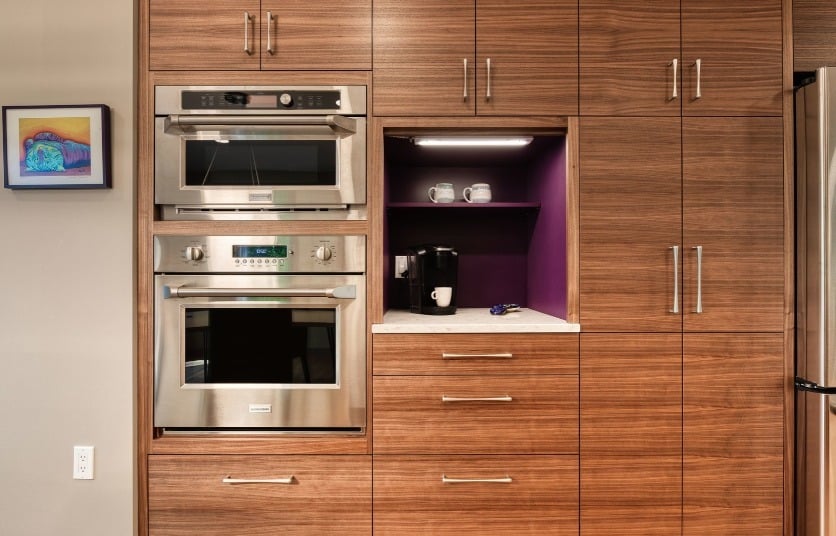
For many, coffee is a ritual. It's the aroma of freshly ground beans, the sound of an espresso machine, the excitement of frothed milk or a syrup,...
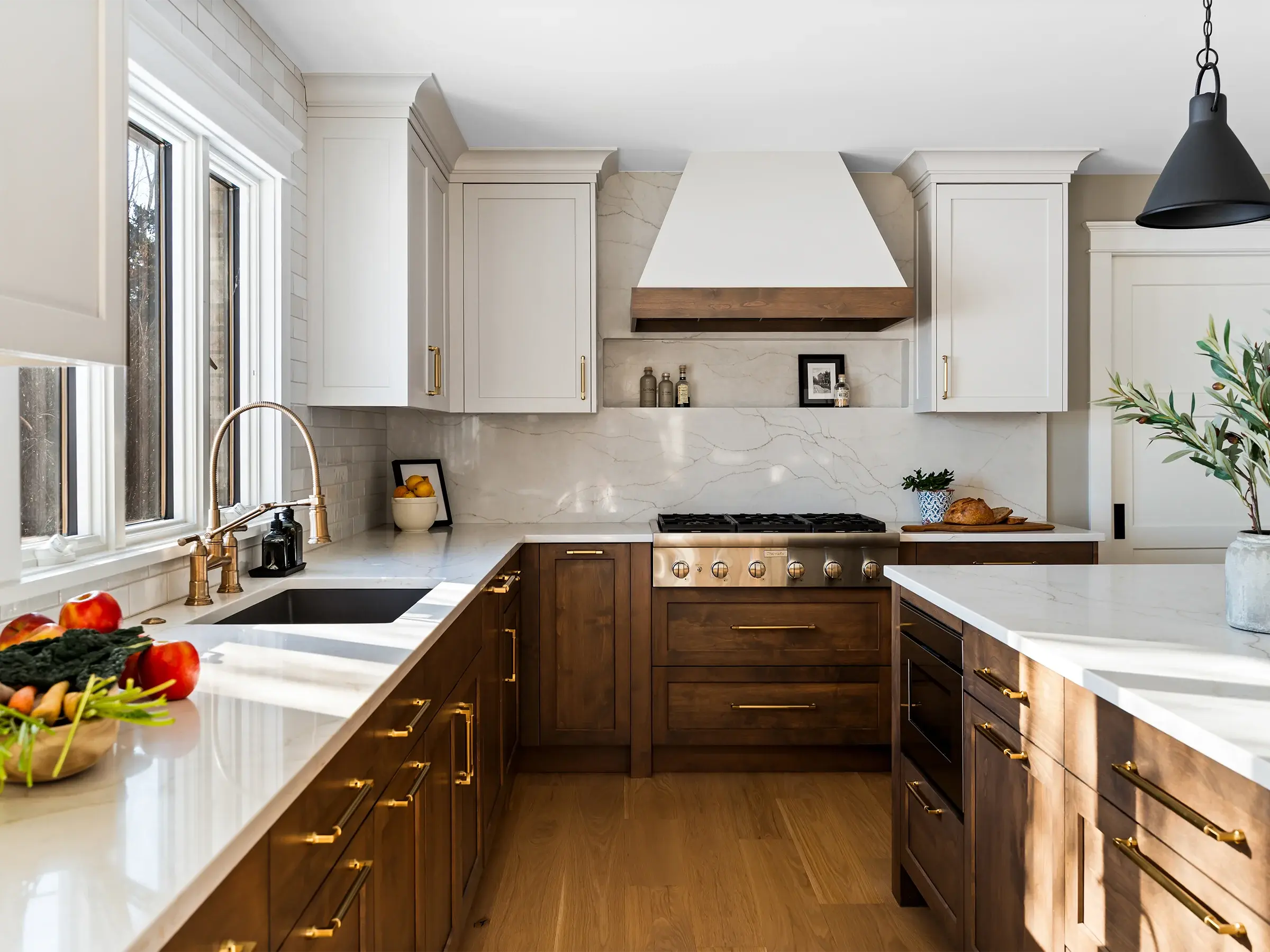
The kitchen is one of the busiest rooms in the home, and also one of the greatest canvases for showcasing personal style.

Remodeling opens up creative possibilities for a home your family has outgrown — a new bathroom, an expanded kitchen, a dedicated playroom, or an...