
Coffee Nook Ideas: Where Everyday Rituals Meet Design
For many, coffee is a ritual. It's the aroma of freshly ground beans, the sound of an espresso machine, the excitement of frothed milk or a syrup,...
4 min read
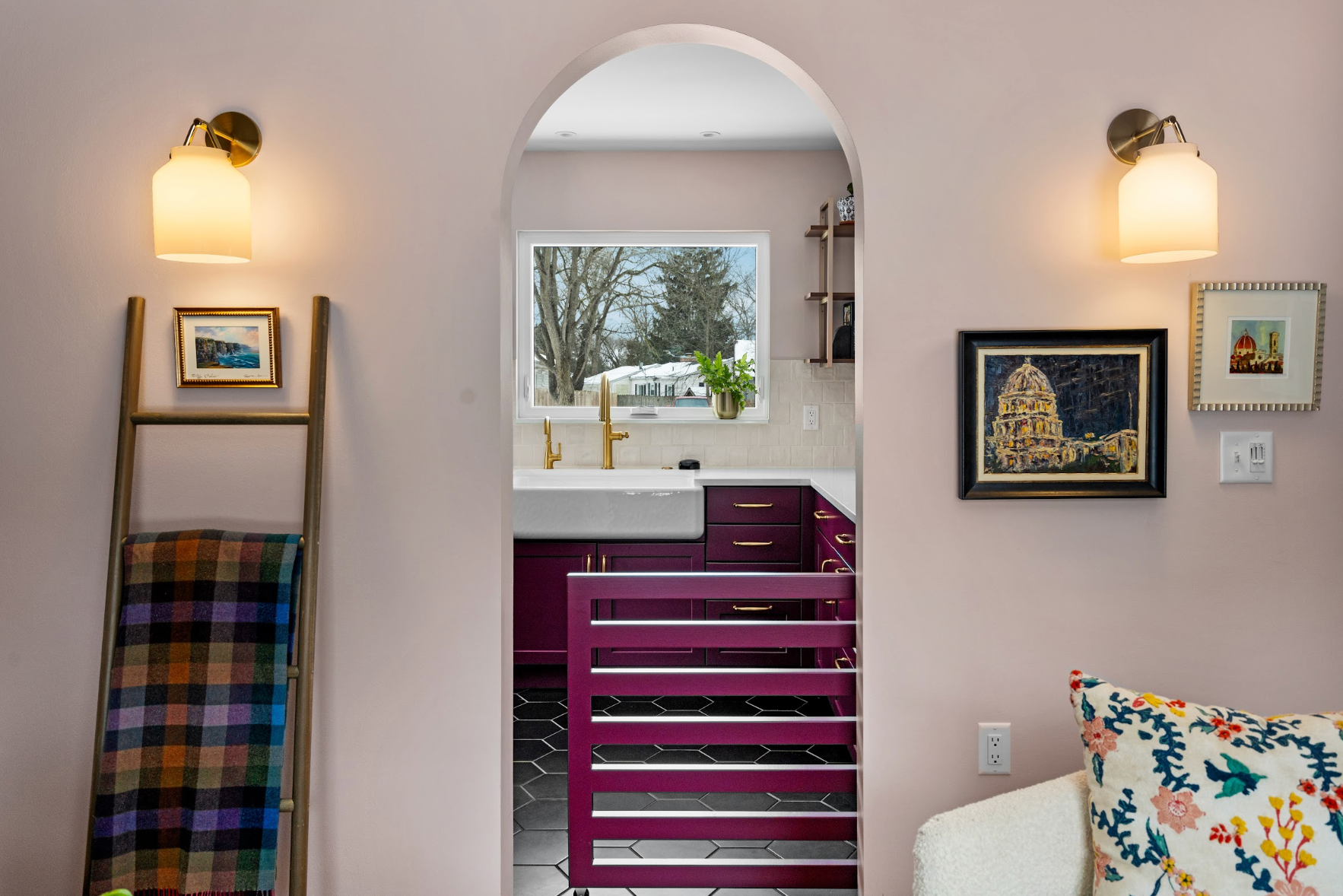
Here at Meadowlark, we consider the needs of all the family members when sharing design recommendations, even the furry ones. We know pets are a huge part of our clients’ lives and what makes their houses truly feel like homes.
Good news! There are a few simple ways to incorporate pets into the planning phase to ensure their daily routines are woven into the final vision for the space:
From doors and gates to furniture and flooring, a few thoughtful choices up front make daily life with a dog easier and keep the design looking intentional.
A great place to start is to think through how dogs will move through the house, including how they exit to go outside. Planning for thoughtfully placed dog doors is the first step, as well as imagining if there are spaces you’d like to have some intentional separation, where a beautiful gate or divider can help safeguard a space when needed.
When considering dog doors, think through where the family wants a dog to have easy access to, like the back yard, screened-in porch, or garage.
With gates, imagine spaces that may be off limits at certain times. Those could be places like a formal dining room or a kitchen during active meal prep.

Depending on the size of your pet or how many you have at home, you may need to plan for deliberate food storage. We recommend integrating a cabinet that pulls forward, just as you would plan a space for a trash or recycling bin.
This should be something that slides forward easily, is simple to refill, and makes meal times faster and less messy!
These hidden food storage cabinets also serve a deeply practical purpose, too — it’s much harder for a pet to break into.
More and more families are interested in adding dog washing stations to their home designs, and we understand why. These areas are typically added to spaces that are already high traffic, like mudrooms, laundry rooms, and garages.
When planning to add a dog wash, consider water access, thoughtful plumbing, and good drainage. These “showers” tend to see much more dirt than the typical human shower or tub.
The flooring choice is also really important for this space. It’s going to be wet and dirty, so tile is ideal over carpet or wood. When selecting tiles, consider both the tile and grout colors, given how much action this area will see. Darker colors tend to show less dirt and grime over time.

In addition to pet-specific features, it’s a smart idea to consider your dog when choosing the furniture and fabrics that will get the most use in the home. If a dog is going to be joining the family on the couch, think through fabric that can handle that wear and tear.
Leather is an excellent choice because it’s easy to wipe clean, and hair doesn’t stick to it in the same way it does to fabric. Real leather is a bit more durable than faux leather, but both will make cleanup faster.
If the preference is for soft fabric, go with a tighter weave like Chenille or Herringbone. These designs are better at concealing hair. Synthetic choices like Microfibre are also very pet-friendly. They can be treated with carpet cleaner or touched up with a vacuum or lint roller.

Many of these pet-friendly amenities can be added in the future with minimal disruption. If a pet isn’t currently part of family life, but it could be in the future, these are adjustments that can be made to existing spaces and layouts.
The Meadowlark team is always happy to talk through how to best evolve the home’s design over time so that it shapeshifts with the family and continues to make room for everyone in the household, two-legged or four!
Contact us to start the conversation.
Whether you're planning a full remodel or just want to make your current layout work better for your dog, we'd love to help you figure out what's possible. Book a call with our team to get started.
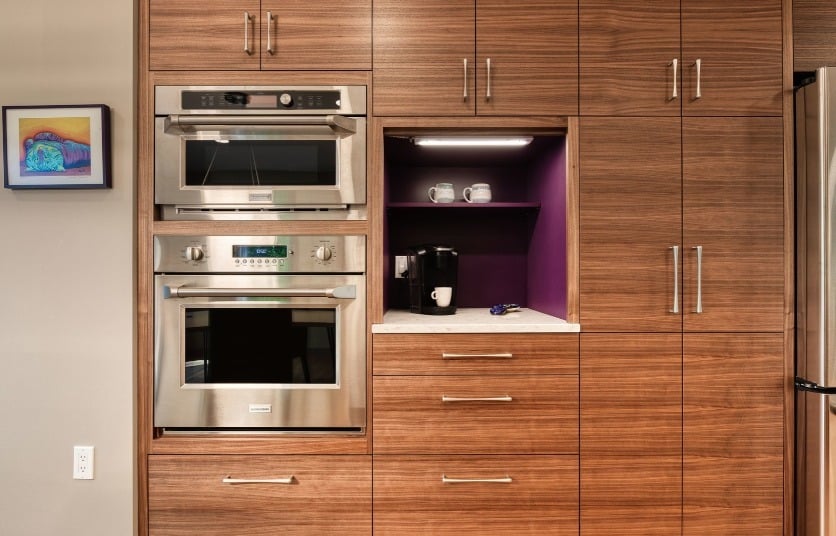
For many, coffee is a ritual. It's the aroma of freshly ground beans, the sound of an espresso machine, the excitement of frothed milk or a syrup,...
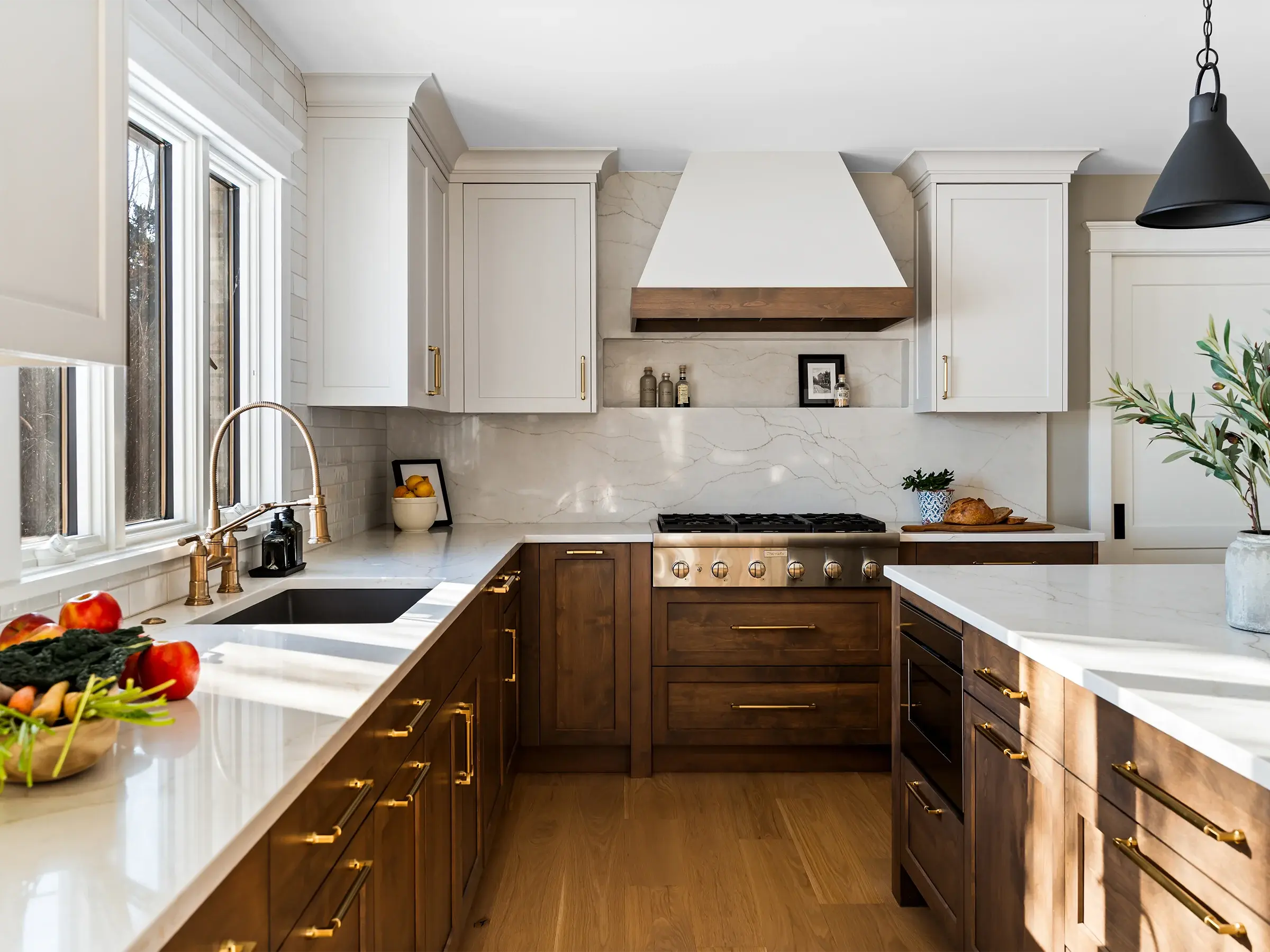
The kitchen is one of the busiest rooms in the home, and also one of the greatest canvases for showcasing personal style.
Remodeling opens up creative possibilities for a home your family has outgrown — a new bathroom, an expanded kitchen, a dedicated playroom, or an...