
How to Know You Can Trust a Home Builder: 7 Signs to Look For
Building or remodeling a home is one of the biggest financial and emotional commitments you'll make, and the person leading the project will shape...
3 min read
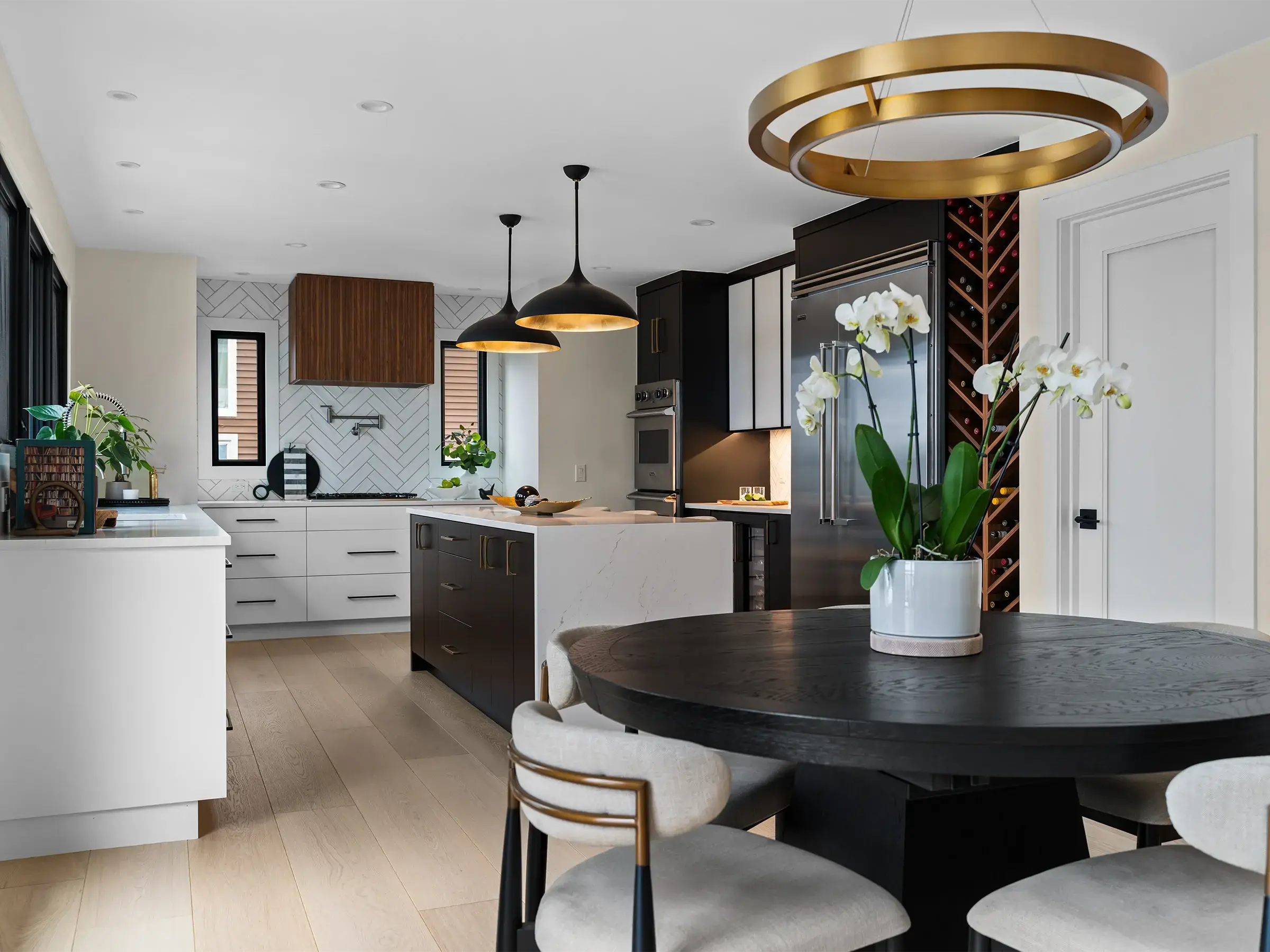
When the outside world feels stressful, there is nothing better than coming home to a space that feels welcoming, calm, and restorative. With a few intentional choices, you can increase the serenity of your space.
To create a calm home, focus on reducing visual clutter, using warm, layered lighting, and incorporating natural materials. These calming interior design tips help reduce stress at home by lowering visual noise and creating a more grounded, peaceful environment. Even small changes—like clearing one surface or simplifying storage—can make your space feel noticeably calmer.
If you’re wondering how to create a calm home, start with these simple, high-impact changes:
Even small adjustments can reduce stress at home and make your space feel more settled.
Achieving a sense of calm doesn’t require a total room redo. It can be as simple as choosing one high-traffic surface and clearing it completely. Don’t worry about the whole room or the entire house—just one visible, hardworking area like the kitchen island or dining table.
When that surface starts collecting mail, school papers, artwork, returns, and the inevitable “deal with it later” pile, it doesn’t just look messy—it feels like a running to-do list. The more that builds up, the more mental tabs are left open.
Clearing it off is an immediate win. There’s something deeply satisfying about completion. When a surface is fully reset, your brain registers resolution. That reduction in unfinished business lowers stress in a very real way. It’s not about chasing minimalism—it’s about lowering cognitive load and making intentional design decisions.

*Cannon - Knightwing Media
In addition to surfaces, shelving is another easy place to make meaningful changes. Open shelves can look beautiful, but they also keep visual information constantly on display, contributing to visual clutter and mental overwhelm.
More closed storage—drawers, cabinets, baskets—means less visual noise. Less visual noise equals less mental noise.
You don’t need to overhaul your entire home. Start with one shelf:
Less visual clutter means less mental clutter—it’s a direct connection.

*Jones - Nathan Bush Media
Lighting is one of the fastest ways to shift how a room feels and is one of the most effective calming interior design tips. Relying only on overhead lighting can make a space feel harsh and overly bright.
Instead, aim for a layered approach:
Pro tips:
These adjustments cue the body that it’s time to exhale.
Lighting also works hand-in-hand with color and material. Warm light enhances earthy tones and natural textures, making a space feel grounded and inviting. Declutter first to quiet the mental noise, then soften the atmosphere with thoughtful lighting. Those two moves alone can fundamentally shift how your home feels—without renovating a thing.

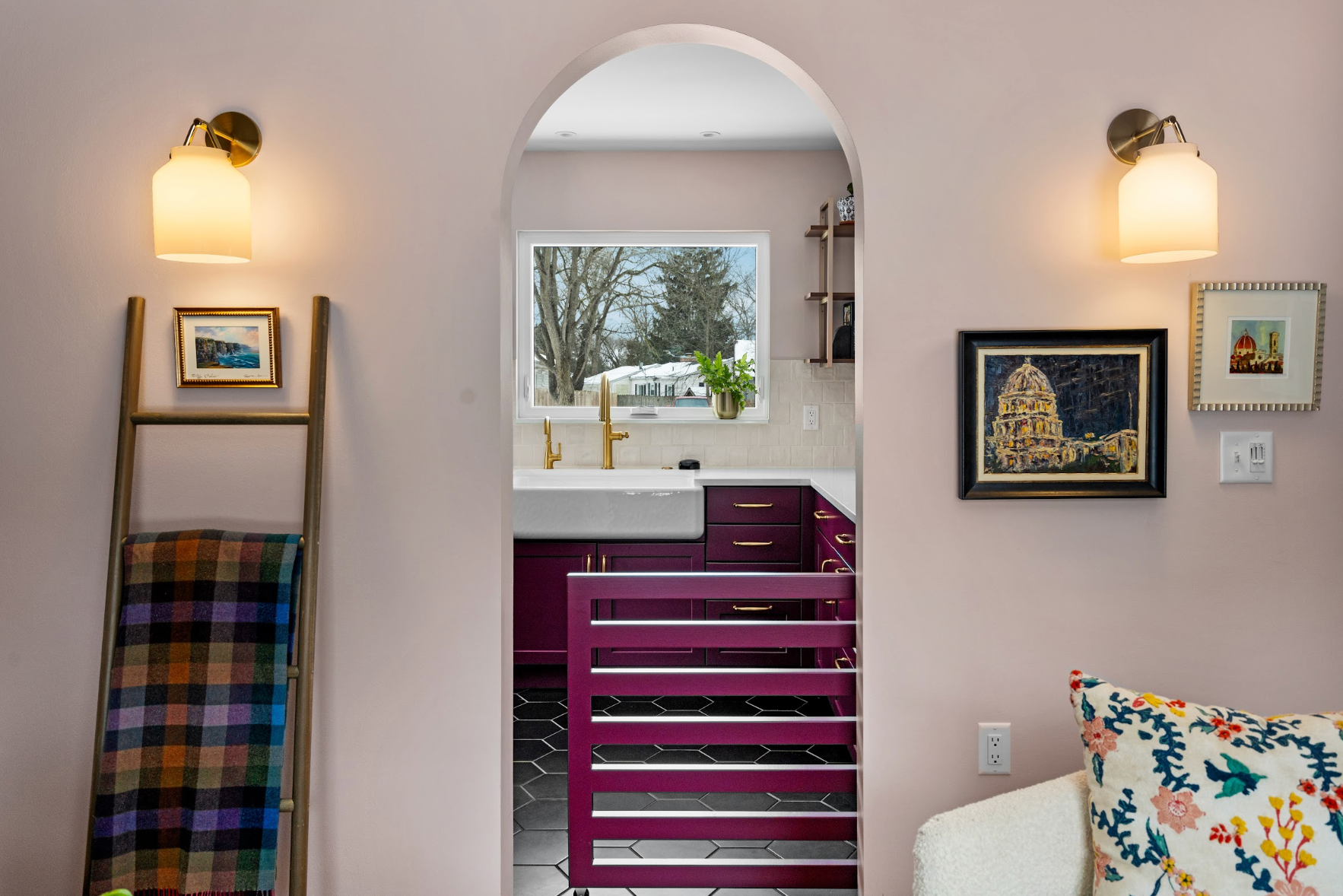
*Pink Kitchen / Swanson - Knightwing Media
Our brains are always scanning for incomplete tasks. Every object sitting out is a subtle reminder: handle this, respond to that, put this away. Even if you’re not consciously thinking about it, your mind is tracking it.
When you clear a surface or a shelf, you remove dozens of tiny stress signals at once. The space feels settled, and in turn, you feel more settled. It creates a sense of control and clarity. That immediate completion builds momentum—and momentum is motivating.
There’s also a sensory component. When a room isn’t overloaded, other calming elements can shine. Earth-toned palettes feel more grounding. Natural fibers—wood, linen, cotton, woven textures—add warmth and softness.
Calm isn’t just aesthetic—it’s psychological. And it often starts with removing what doesn’t need to be there.
Sometimes, creating a calm home requires more than decluttering—it may be that your space no longer supports how you live day to day.
If your home feels consistently overwhelming, it may be a sign that the layout, storage, or functionality isn’t working for you anymore. Thoughtful design can do more than improve how a home looks—it can fundamentally change how it feels to live in. When your space is designed around how you actually live, it becomes easier to stay organized, reduce stress, and maintain a sense of calm over time.
If you're ready to explore what that could look like, the Meadowlark Design+Build team can guide you through a process that brings clarity, intention, and calm back into your home.

Building or remodeling a home is one of the biggest financial and emotional commitments you'll make, and the person leading the project will shape...
Here at Meadowlark, we consider the needs of all the family members when sharing design recommendations, even the furry ones. We know pets are a huge...
According to Houzz's 2026 U.S. Houzz & Home Study, more than a third of homeowners exceeded their planned renovation budget, often due to mid-project...